Social Media Marketing
Social media marketing is a strategic approach that uses platforms like Instagram, Facebook, LinkedIn, YouTube, and X to promote brands, engage audiences, and drive business growth. It involves creating and sharing valuable content—such as posts, videos, reels, stories, and ads—to build brand awareness, attract potential customers, and maintain relationships with existing ones. Effective social media marketing is driven by a deep understanding of the target audience, data-based insights, and consistent brand messaging. It includes activities like content creation, paid advertising, influencer collaboration, community management, and performance tracking using analytics tools.
Search Engine Optimization
Search Engine Optimization (SEO) is the process of improving a website’s visibility on search engines like Google, Bing, and Yahoo to attract more organic (non-paid) traffic. It involves optimizing various elements—such as keywords, content quality, website structure, loading speed, mobile-friendliness, and backlinks—to help search engines understand and rank a site higher in search results. SEO includes three main components: on-page SEO, which focuses on content optimization, title tags, meta descriptions, and internal linking; off-page SEO, which involves building high-quality backlinks, social signals, and brand authority; and technical SEO, which ensures that a website is crawlable, secure, and performance-optimized.

Content Marketing
Content marketing is a strategic digital approach focused on creating, publishing, and distributing valuable, relevant, and consistent content to attract and engage a clearly defined audience. Instead of directly promoting a product or service, content marketing aims to educate, inform, or entertain users, helping build trust and long-term relationships. It includes various content formats such as blogs, articles, videos, infographics, case studies, email newsletters, social media posts, and eBooks. Effective content marketing begins with understanding the audience’s needs, pain points, and search behaviors, followed by planning content that aligns with business goals and the buyer’s journey.
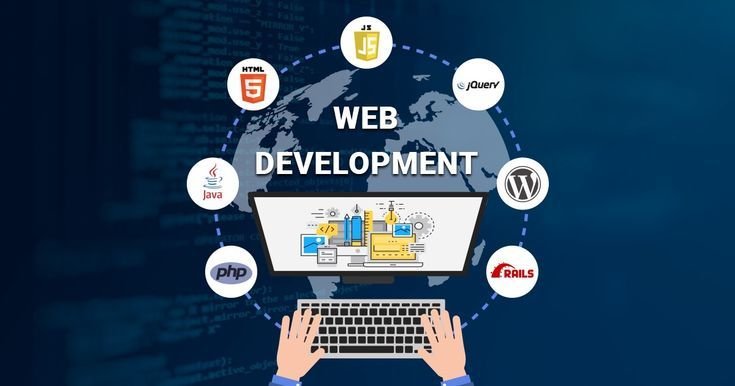
Website Development
Website development is the process of building, designing, and maintaining websites to ensure they are visually appealing, user-friendly, and fully functional across devices. It involves two major components: front-end development, which focuses on the layout, design, graphics, and interactive elements that users see, and back-end development, which handles server-side operations, databases, security, and overall website performance. A successful website development process begins with planning the site structure, defining the user journey.
Google Ads Management
Google Ads management is the strategic process of creating, optimizing, and monitoring pay-per-click (PPC) advertising campaigns on Google to help businesses reach the right audience and achieve maximum ROI. It involves researching high-intent keywords, crafting compelling ad copy, selecting the right campaign type—such as Search, Display, Video, Shopping, or Performance Max—and setting targeted bidding strategies to control costs and improve performance.
Meta Ads Management
Meta Ads management involves strategically creating, monitoring, and optimizing advertising campaigns across Meta platforms, including Facebook, Instagram, Messenger, and Audience Network, to help businesses reach their ideal customers and achieve measurable marketing goals. It starts with defining the campaign objective—such as brand awareness, traffic, engagement, leads, or sales—followed by precise audience targeting based on demographics, interests, behaviors, and custom/look a like audiences.